
Education:
- Ph.D. University of Hamburg, Germany
Professional Experience:
- Associate Professor, Appalachian State University, Department of Biology
- Postdoctoral Fellow, The Ohio State University, Department of Plant Cellular and Molecular Biology
- Visiting Research Scientist, DuPont Experimental Station
Areas of Interest:
- Plant Cellular and Molecular Biology
- Plant-Endophyte Interactions
- Biocontrol of Invasive Plants
- Biodiversity Inventory – AppState BioBlitz
Teaching:
- Botany
- Genetics
- Bioinformatics
- Plant Molecular Biology / Biotechnology
Research Statement:
Plants host a wide range of endosymbionts – organisms that live inside of them. This relationship is often, but not always, mutually beneficial. Research in my laboratory focuses on understanding these close partnerships between plants and their inhabitants, the roles they play in plant evolution, and how we can apply this knowledge to influence plant and ecosystem health.
- On the cellular level, my lab is studying how specific proteins from the eukaryotic host cell may have contributed to the transformation of ancient photosynthetic bacteria into the complex chloroplasts that we find in plant cells today.
- At the organismal level, we are investigating fungi living inside plants with a focus on two areas of interest: fungal endophytes that may help plants produce medicinal compounds, and potentially harmful fungi that may cause plant diseases. Understanding this hidden mycobiome inside our native woodland plants can help inform both conservation efforts and cultivation of medicinal plants.
- At the community level, we are monitoring how an extreme weather event (hurricane-related flooding) has impacted invasive plant species and the insects used to control them. This work can provide guidance for biological control strategies under changing climate conditions.
Together, these projects explore how plants interact with their endosymbionts across scales, from molecules to ecosystems, with possible implications for agriculture, medicine, and environmental management. Students involved in research in my lab develop skills in a variety of methods ranging from field work and plant identification to aseptic culturing techniques, molecular biology and biochemistry procedures working with nucleic acids, proteins, and metabolites, and computational analysis of metagenomics data.
Selected Publications:
- Havighorst, A.R., and Rose, A. (2018). MFP1 affects relative abundance of chloroplast protein complexes. Eastern Biologist 6: 1-21.
- Rose, A. (2008) Nuclear pores in plant cells: structure, composition, and functions. In: Meier, I. (ed.), Functional Organization of the Plant Nucleus, Springer-Verlag, Heidelberg. Plant Cell Monogr. 14: 29-53.
- Contributor to: Merchant et al. (2007). The Chlamydomonas genome reveals the evolution of key animal and plant functions. Science 318: 245-250.
- Rose, A., Schraegle, S.J., Stahlberg, E.A., and Meier, I. (2005). Coiled-coil protein composition of 22 proteomes - differences and common themes in subcellular infrastructure and traffic control. BMC Evol Biol 5:66.
- Rose, A., Meier, I. (2001). A domain unique to plant RanGAP is responsible for its targeting to the plant nuclear rim. Proc Natl Acad Sci USA 98: 15377-15382.
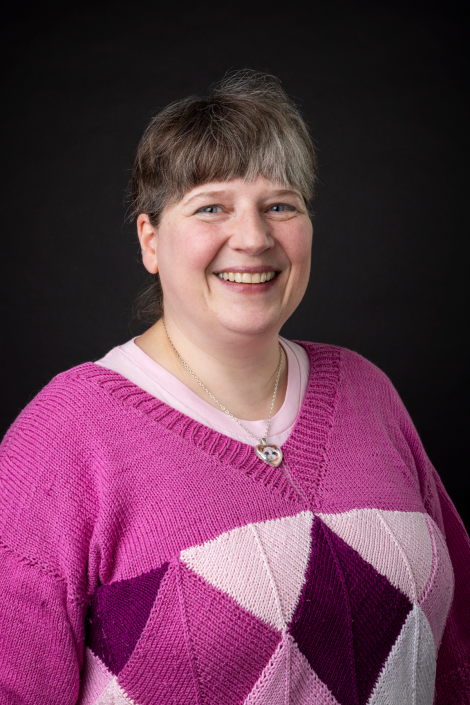
Title: Associate Professor of Plant Molecular Biology
Department: Department of Biology
Email address: Email me
Phone: (828) 262-7395